Introduction
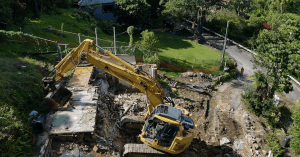
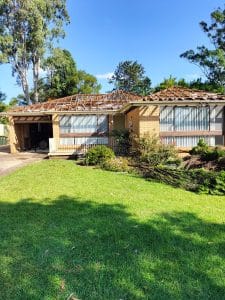
After a demolition project, you may wonder what happens next. Understanding the post-demolition process is crucial for transforming a cleared site into a space ready for excavation and construction. At Home Demolitions, we provide end-to-end demolition services, emphasising safety, compliance, and meticulous planning throughout each phase.
This guide will outline the necessary steps after demolition, including essential services like asbestos removal, service disconnection, and site preparation for excavation. We also highlight important factors to consider, helping you make informed decisions as you move forward with your construction project.
The Importance of Site Preparation
Once demolition is complete, preparing your site is essential for a smooth transition to excavation and building. Proper preparation ensures the site complies with local regulations and is safe for construction work.
During this phase, you should address several key factors:
-
Environmental Assessment: It is crucial to evaluate the site for any environmental hazards such as contaminants or asbestos. This assessment may require professional assessment services.
-
Engineering Surveys: Conduct engineering surveys to assess ground conditions and identify potential risks. These surveys help pinpoint hidden utilities and ensure a safe excavation process, significantly reducing risks. In 2020, 78 workers died in site preparation contracting, underscoring the importance of thorough inspections before excavation begins.
-
Site Demarcation: Clearly mark boundaries and access points to direct vehicular traffic and workers safely. Ensure that safety barriers prevent unauthorised access during subsequent construction projects.
Asbestos Removal and Other Hazard Mitigation
Asbestos poses a significant risk in older properties. If your previous structure contained asbestos, it must be removed before any new construction can proceed. At Home Demolitions, we offer comprehensive asbestos removal services performed by licensed professionals. Our certified team can handle both non-friable and friable asbestos, ensuring the safety of your site.
In addition to asbestos, other substances, such as lead paint, may need to be addressed. Mitigating these hazards is essential for a safe working environment, as hazardous materials can cause severe health issues if improperly managed.
We will provide you with essential documents, including:
-
Asbestos clearance certificate
-
Demolition license
-
Safe work method statements
Service Disconnection
Before proceeding with excavation, utility services must be safely disconnected from the site. This includes:
-
Water supply
-
Electricity
-
Gas lines
Engaging a professional disconnection service is crucial to prevent accidents or damage during excavation. Disconnecting services requires precise coordination with utility providers to ensure all lines are safely removed without disrupting surrounding properties. We offer comprehensive service disconnection as part of our suite of demolition services.
Excavation and Site Preparation
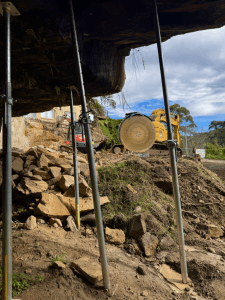
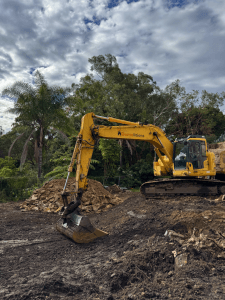
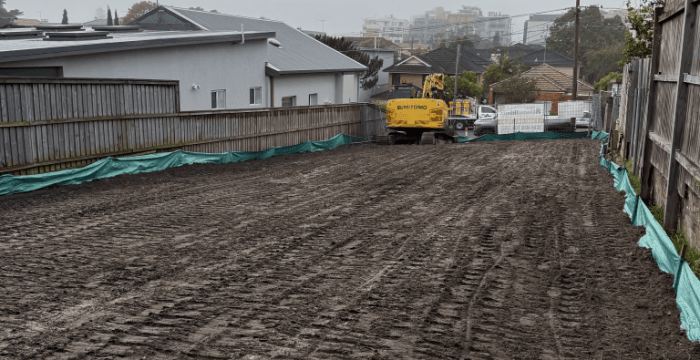
After addressing safety concerns and utility disconnections, excavation can begin. This process involves clearing and grading the site to create a stable foundation for your future construction.
Utilising heavy machinery, our team carries out:
-
Site clearing: Removing all debris and potentially hazardous materials
-
Grading: Leveling the site according to engineering specifications to ensure proper drainage
-
Site preparation: Installing erosion controls and sediment barriers to protect the environment
We stress the importance of sediment control during excavation, especially in areas like sediment control where active construction can lead to soil disturbance. Protecting the environment is paramount throughout the excavation process.
The Role of Arborist Services
Another important aspect of site preparation involves trees and vegetation. If the site contains trees that need to be removed or preserved, engaging professional arborist services is advisable. An arborist can assess the health of existing trees and determine which ones must be removed or preserved, helping to mitigate environmental impact and maintain the area’s aesthetic appeal.
For properties in regions like Sydney CBD, Parramatta, Ryde, and surrounding suburbs, working closely with local arborists ensures compliance with council regulations regarding tree protection.
Post-Demolition Material Recycling
Once excavation is complete, you may wish to consider how to manage the materials generated during demolition. An increasing number of construction projects focus on sustainability, ensuring that materials are recycled whenever possible. This practice reduces landfill waste significantly, which is a growing concern in the demolition industry and construction sector.
Many demolition companies now prioritise selective demolition, where they preserve certain structures or materials before demolition. This approach reduces the impact on the environment while offering opportunities for recycling and reuse. For instance, wood, metal, and concrete can often be repurposed for future use. With the global construction demolition market projected to grow by USD 14.50 billion from 2025-2029, the trend towards efficient site clearing and material recycling will likely continue to gain momentum.
Conclusion & Call to Action
In summary, proper planning and adherence to safety standards after demolition are essential for successful excavation and construction. Engaging reliable residential demolition contractors like Home Demolitions ensures you proceed with confidence through these critical stages of your project.
If you are planning a knockdown rebuild or require comprehensive home demolition services, contact us today for a free home demolition quote. Our experienced team will provide you with the information and services required to prepare your site for the next phase of construction. Let us help turn your vision into a reality.