Common Demolition Mistakes Sydney Homeowners Should Avoid
Demolishing a home is a significant undertaking, especially in Sydney’s vibrant real estate market. Homeowners often overlook key considerations, leading to costly delays and problems during the rebuilding phase. Understanding common mistakes in the demolition process will help safeguard your investment and ensure a smoother transition to your new build. This article outlines the crucial pitfalls to avoid, from compliance issues to overlooking professional services, ensuring you make informed decisions throughout your project.
1. Not Planning for Asbestos Removal
Asbestos removal is a critical aspect of any demolition project involving older structures. Many homeowners underestimate the dangers of asbestos, a known health risk when disturbed. In Sydney, the prevalence of asbestos in homes built before the 1980s is significant.
If your property may contain asbestos, engaging a licensed asbestos removal company is essential before initiating any demolition work. A professional team will:
-
Conduct thorough inspections to identify asbestos presence
-
Prepare a safe removal plan, compliant with local regulations
-
Handle the safe disposal of asbestos, preventing environmental contamination
Failing to mitigate asbestos risks can lead to severe health consequences for workers and residents. Ensure you include asbestos removal in your home demolition services to guarantee a safe environment.
2. Ignoring Service Disconnection
Prior to demolition, it’s crucial to disconnect all essential services, including electricity, water, and gas. Many homeowners overlook this step, which can lead to safety hazards and compliance issues.
Proper disconnection helps prevent:
-
Accidental injuries during demolition
-
Damages to neighbouring properties caused by uncontrolled service lines
-
Unexpected costs associated with service reconnection post-demolition
Engage qualified professionals to manage service disconnection before demolition begins. This proactive approach ensures that your home demolition process is safe and compliant with NSW regulations.
3. Overlooking Council Regulations and Permits
In Sydney, navigating council approvals and regulations is often a complex aspect of the demolition process. Many homeowners make the mistake of assuming their demolition does not require permits, leading to compliance issues and potential fines.
Before commencing demolition, take the following steps:
-
Check with your local council for requirements concerning demolitions. Most councils, including those in Parramatta, Ryde, and Gladesville, have specific regulations.
-
Obtain necessary building and demolition permits as required by law.
-
Consider safety and environmental impact assessments that may be mandated.
According to recent studies, around 40.9% of unmatched demolition approvals in Australia had no subsequent building approval on site. This indicates a common mistake where demolition occurs without confirmed rebuild plans, potentially leading to delays or wasted efforts in projects like Sydney knockdown rebuilds.
4. Neglecting Site Preparation and Excavation
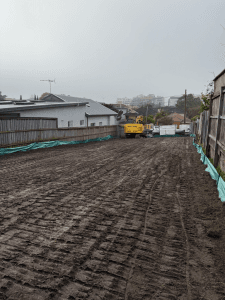
Proper site preparation is vital in ensuring a successful rebuild. Many homeowners underestimate the importance of a well-executed excavation process, which lays the groundwork for upcoming construction. A thorough site excavation not only clears debris but also prepares the land for a stable foundation.
Key elements of effective site preparation include:
-
Clearing all demolition waste and debris
-
Performing soil testing to identify contamination
-
Implementing proper excavation techniques to prepare the site
A comprehensive site excavation can improve the quality of the new construction and mitigate future issues, such as waterproofing defects, which affected 23% of buildings with serious issues in NSW. The average time lag between demolition and building approval is 5.7 months nationally, with recent data showing up to 6.49 months in 2023/24. Sydney homeowners risk extended vacancies or holding costs by underestimating this timeline.
5. Inadequate Planning for Quality Control
It is critical to have a well-structured plan in place to ensure quality control during the post-demolition construction phase. Many homeowners make the error of overlooking potential defects that may arise from poor planning or contractor oversight.
Common issues resulting from inadequate planning include:
-
Serious defects in common property, often linked to post-demolition construction phases
-
Significant financial burdens, averaging $331,829 per building to resolve serious defects
-
Low recovery rates and prolonged disputes with contractors
39% of surveyed NSW strata buildings experienced serious defects in common property, and many could have been avoided with better pre-demolition assessments. Ensuring comprehensive evaluations of the existing structure and a clear plan for rebuilds can mitigate these risks.
Conclusion
Demolishing a home in Sydney can be a complex procedure, but avoiding common mistakes can lead to a successful outcome. By prioritising safety through asbestos removal and service disconnection, properly adhering to council regulations, executing effective site preparation, and planning for quality control, you ensure a smoother transition to your new build without unnecessary headaches.
Let Home Demolitions, an experienced provider of home demolition services, help you navigate the complexities of your project. From asbestos removal to site excavation, our team is committed to delivering safe, compliant, and efficient services tailored to Sydney homeowners. Set the stage for a successful rebuild by avoiding these common demolition mistakes. Contact us today for a free home demolition quote and to get started on your next project.