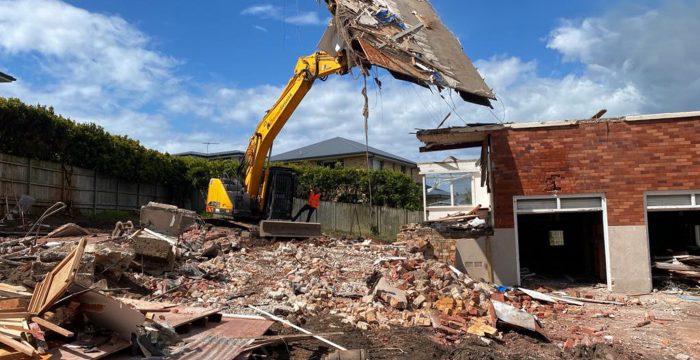
Asbestos is a dangerous material that still lurks in many homes across Australia, particularly in properties built before the 1990s. It can be found in more places than you might expect, including roofing, insulation, cladding, and even vinyl flooring. When disturbed, asbestos fibres become airborne, posing severe health risks. Asbestos-related diseases, such as mesothelioma, lung cancer, and asbestosis, can take years to develop but are often fatal. This is why professional asbestos removal is not just recommended but legally required in Australia.
Where Might You Find Asbestos in Your Home?
Asbestos was widely used in the construction industry due to its durability and fire-resistant properties. Some common areas where asbestos could be hiding in your home include:- Corrugated Cement Roofing: Often used in sheds and older homes, this type of roofing may contain asbestos in the cement mixture. When damaged or weathered, it can release fibres into the air.
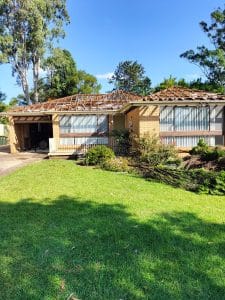
- Exterior Cladding: Asbestos was commonly used in weatherboard or fibro sheeting for cladding. This type of exterior material is often found in older homes and can pose a risk if cut or removed improperly.
- Hot Water Pipe Insulation: Many homes built before the 1990s have asbestos insulation around their hot water pipes. If these pipes are disturbed, they can release hazardous fibres.
- Stove Insulation: Older stoves, particularly those made before the 1990s, may have insulation made from asbestos to prevent heat from escaping. This insulation can be dangerous if tampered with.
- Textured Paint: Some textured paints, especially those used before the ban on asbestos, may contain asbestos fibres. Disturbing these surfaces can release harmful particles into the air.
- Flue Pipes: Asbestos was used in flue pipes for its heat resistance. If these pipes are removed or altered during renovation, asbestos exposure is a significant risk.
- Eaves and Guttering: The eaves and guttering of older homes may be lined with asbestos materials to provide durability and weather resistance. Care should be taken when renovating these areas.
- Bathroom Linings and Wall Cladding: Asbestos was often used in bathroom fixtures and wall cladding due to its water resistance. Removing or altering these surfaces can lead to fibre release.
- Insulated Wiring and Meter Boxes: Electrical meter boxes and insulated wiring in older homes may contain asbestos. Improper handling can pose serious health risks.
- Vinyl or Linoleum Flooring: Some vinyl or linoleum flooring, particularly those manufactured before the 1990s, may contain asbestos. Removing or repairing these floors can lead to exposure.
- Fibro Sheet Fencing: Commonly used in fencing, fibro sheets may contain asbestos. Disturbing or removing these sheets poses a risk if proper precautions aren’t taken.
The Dangers of Asbestos Exposure
When asbestos-containing materials are disturbed during renovations, demolitions, or even routine maintenance, they release microscopic fibres into the air. Inhaling these fibres can lead to severe health conditions:- Mesothelioma: A rare and aggressive cancer that affects the lining of the lungs, abdomen, or heart.
- Asbestosis: A chronic lung condition caused by long-term exposure to asbestos fibres, leading to severe breathing difficulties.
- Lung Cancer: Exposure to asbestos fibres significantly increases the risk of developing lung cancer, particularly for those who smoke.
What Not to Do if You Suspect Asbestos
If you suspect your home contains asbestos, it is crucial not to disturb it. Here are a few things you should avoid doing:- Do not attempt to remove asbestos yourself. It’s illegal for anyone without proper certification to handle asbestos in Australia.
- Do not drill, cut, or sand materials that may contain asbestos. This will release dangerous fibres into the air.
- Do not clean up debris from asbestos-containing materials. Improper handling increases the risk of exposure.
Why Choose Home Demolitions for Asbestos Removal?
At Home Demolitions, we have years of experience in safely removing and disposing of asbestos. We’re fully qualified, licensed, and insured to manage any asbestos removal project, whether it’s a small residential job or a large commercial site. Our team follows strict Australian regulations to ensure the safety of everyone involved. Here’s what you can expect from our asbestos removal service:- Full compliance with Work Cover regulations: We’ll lodge all necessary permits and notifications to ensure everything is above board.
- Neighbour notification: We inform surrounding neighbours of asbestos removal schedules to maintain community safety.
- Safe disposal: We ensure that asbestos is disposed of responsibly, in line with environmental and safety laws.
- Clearance certificates: Once the removal is completed, we’ll inspect the site and issue a clearance certificate for your records and council submissions.